
Field Perspective from Brennan Duffy
Why Telecom Standby Batteries Should Be Replaced Before They Fail
If you have spent any time around communications networks, you already know this: everything works great — until it doesn’t.
I have been on sites where everything appeared to check out. Utility power looked stable. The standby batteries had “passed” inspection. On paper, the site looked ready.
Then the grid dropped.
What should have been a routine backup power event turned into a service-impacting outage because the batteries could not carry the load the way they were supposed to.
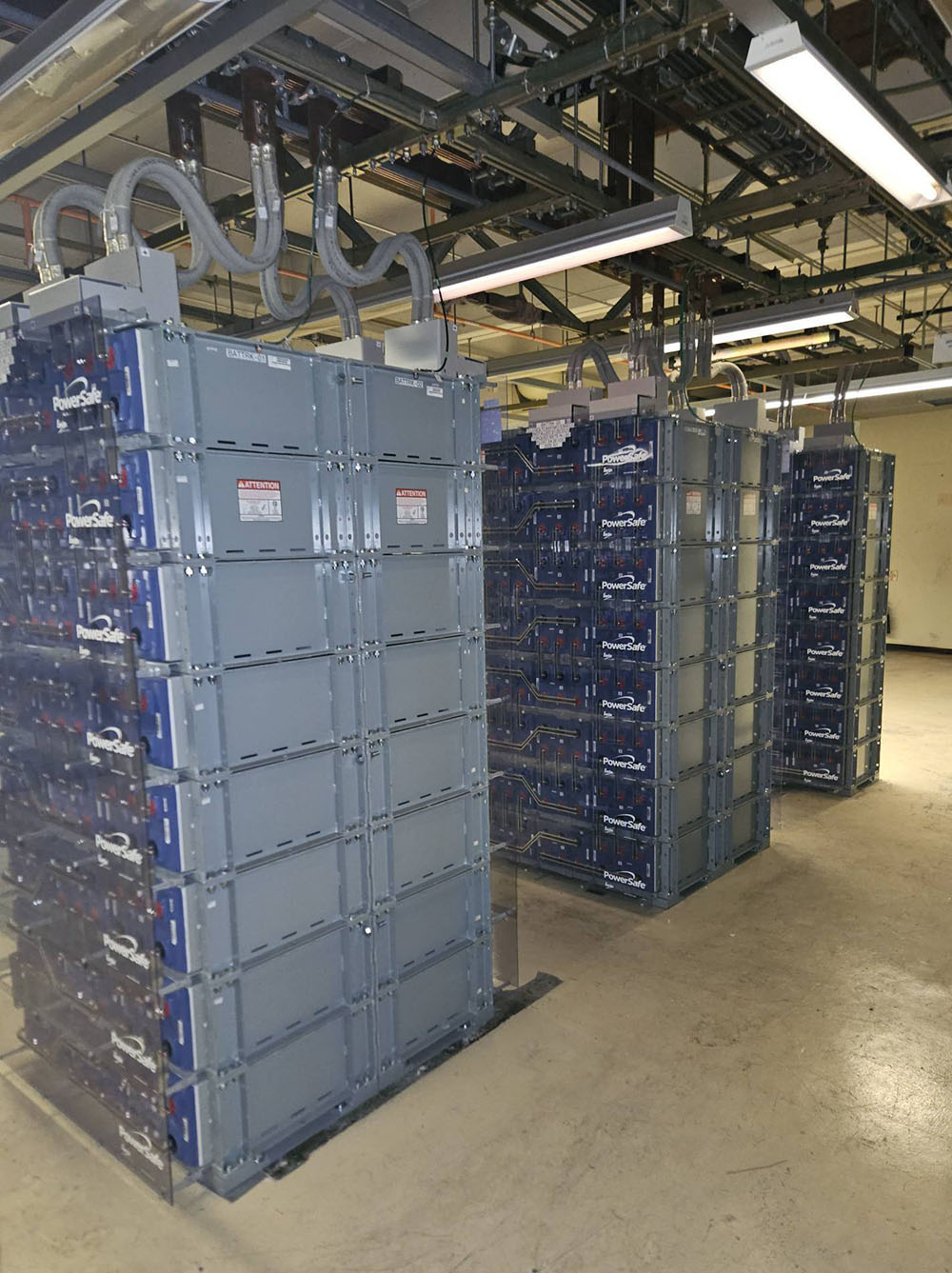
That is the challenge with standby batteries in a telecom environment. They usually do not fail loudly during inspections. They fail quietly over time — and the problem often does not reveal itself until the moment you need them most.
The Problem with “They’re Still Good”
A lot of operators have said some version of the same thing:
“The batteries are still working. We’ll replace them later.”
I understand the thinking. On the surface, delaying replacement can feel like a cost-saving decision. If the batteries are still present, still connected, and still showing acceptable readings, it is easy to move the project down the priority list.
But that can be misleading.
By the time standby batteries are clearly showing signs of failure, their performance may already be compromised. Capacity may be declining. Runtime may be shorter than expected. Internal resistance may be increasing. Aging cells may be creating uneven performance across the string.
And in the wrong conditions, a battery problem can become more than a runtime issue. Heat, aging infrastructure, poor ventilation, and deferred maintenance can increase the risk of serious battery-related failures.
The real question is not whether the batteries are still sitting there. The question is whether they will perform under load when the site actually needs them.
About the Author
 Brennan Duffy is a telecom and critical infrastructure veteran with more than 25 years of experience in engineering, network operations, switching, data, and infrastructure leadership. Having worked with major communications providers including Verizon and Frontier Communications, Brennan brings a field-tested perspective on uptime, reliability, and the operational risks that can surface when standby systems are overlooked.
brennan.duffy@alamon.com
540.353.9022