Why Accurate AC Load Data Matters in Telecommunications Facilities
Telecommunications facilities depend on reliable power. When utility service is interrupted, generators, batteries, rectifiers, cooling systems and other backup infrastructure must work together to keep critical communications equipment operating.
But how do facility owners know whether their backup power systems are properly sized?
The answer should begin with actual operating data.
An AC load study measures how a facility is using electrical power under real-world conditions. That information gives engineering and operations teams a more reliable basis for evaluating generator capacity, planning upgrades and preparing for future growth.
Without accurate load data, important infrastructure decisions may be based on assumptions, equipment nameplates or electrical drawings that no longer reflect the facility’s current operation.
Nameplate Ratings Do Not Tell the Whole Story
A telecommunications facility may contain a wide range of AC-powered equipment, including:
- HVAC and ventilation systems
- DC rectifier plants and battery chargers
- Uninterruptible power supplies
- Lighting and security systems
- Fire protection equipment
- Network and communications equipment
- Test equipment and office loads
- Receptacles and miscellaneous facility loads
Not all of this equipment operates at full capacity at the same time. Some loads are continuous, some cycle on and off, and others create brief but significant demand when motors or compressors start.
Depending on the facility and the purpose of the study, load monitoring may be conducted for 7 to 30 days to capture representative demand patterns, peak loads and changes in equipment operation.
An AC load study captures the facility’s actual electrical demand instead of simply adding together the maximum ratings listed on equipment labels.
Collected information may include:
- Voltage
- Current
- Real power, measured in kilowatts
- Apparent power, measured in kilovolt-amperes
- Power factor
- Frequency
- Peak demand
- Phase balance
- Harmonic distortion
- Motor-starting current
Together, these measurements provide a clearer picture of how the electrical system performs and what the backup power system must support.
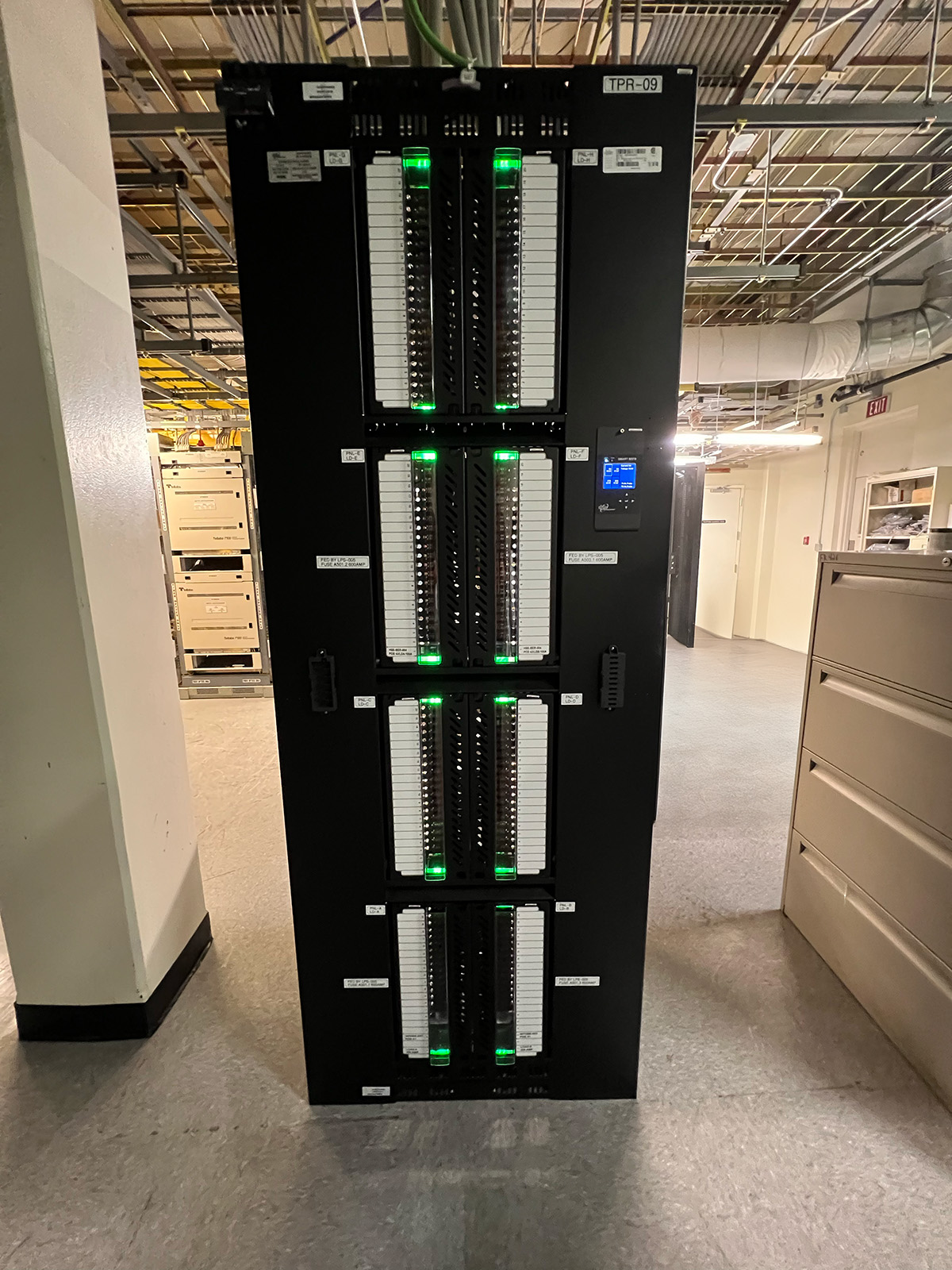
Telecommunications facilities depend on coordinated AC and DC power systems. Understanding actual AC demand helps support reliable capacity planning throughout the facility.