
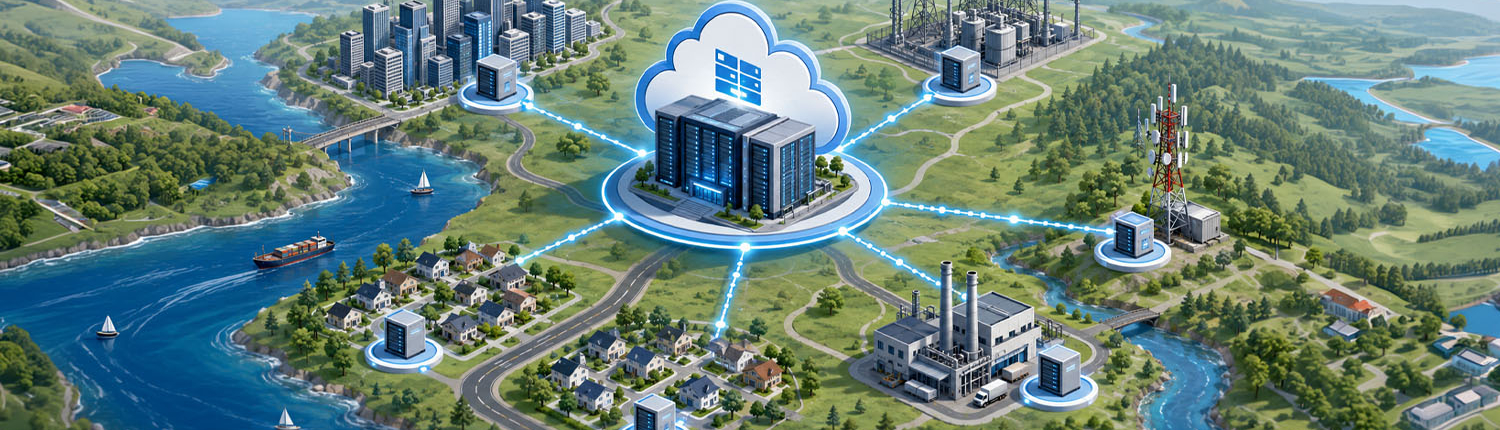
Edge data centers move compute closer to users, devices, utilities, towers, industrial sites, and communities — creating a distributed infrastructure challenge that still depends on field execution.
What Is an Edge Data Center — and What Does It Take to Build One?
For years, the story of digital infrastructure has been a story of scale.
Bigger data centers. Larger campuses. More power. More compute. More fiber. More cooling. More everything.
That story is still true. Hyperscale data centers remain essential to cloud computing, artificial intelligence, enterprise software, streaming platforms, and the digital services people use every day. But another infrastructure story is developing alongside it — one that is less about building a few enormous facilities and more about deploying many smaller ones in the right places.
That is the role of the edge data center.
An edge data center is a smaller, distributed data facility located closer to the people, devices, businesses, and systems it serves. Instead of sending every request back to a distant cloud region or centralized data center, an edge site allows certain workloads to be processed closer to where the data is created and consumed.
The reason is simple: distance matters.
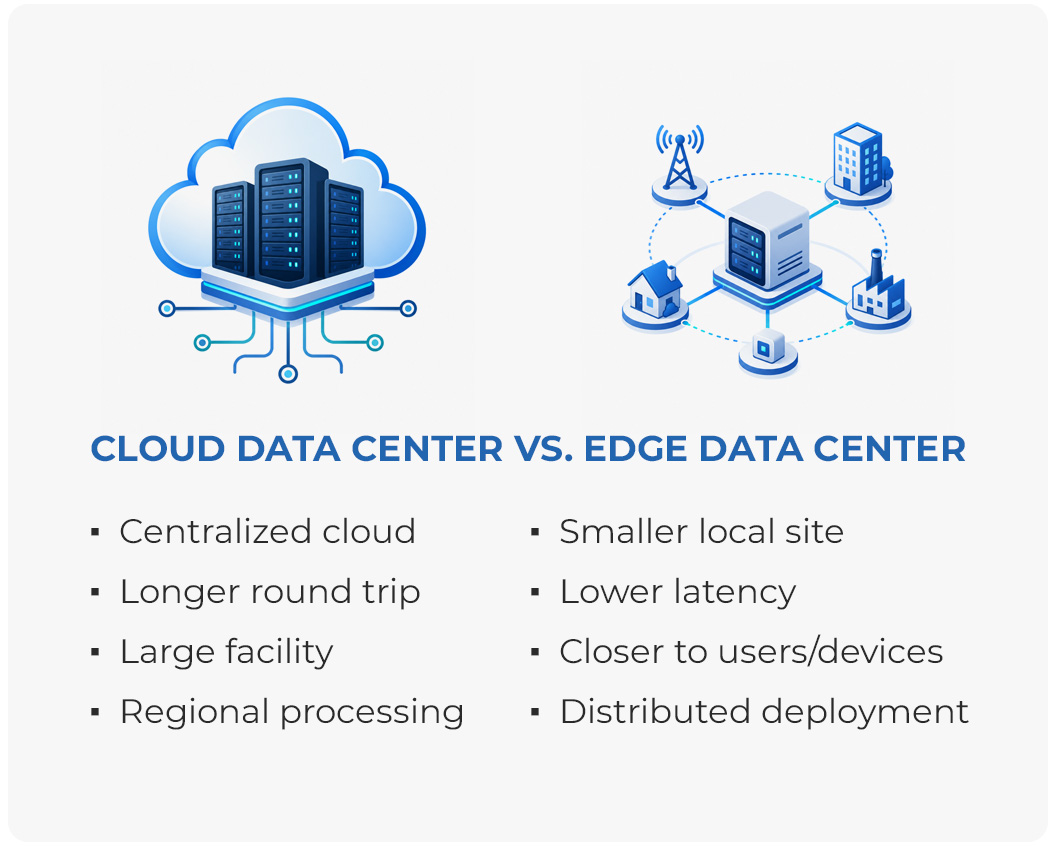 Every mile between a user and a data center adds time. For many applications, a small delay is barely noticeable. Waiting a fraction of a second for an email to load is not a crisis. But for real-time systems — autonomous equipment, industrial automation, smart grid applications, financial transactions, connected vehicles, video analytics, healthcare systems, augmented reality, and AI-powered tools — latency can quickly become a limiting factor.
Edge data centers are designed to reduce that delay. By placing compute, storage, networking, and power infrastructure closer to end users and devices, they help support faster response times, lower network congestion, improved reliability, and more efficient handling of local data.
In other words, the edge is not replacing the cloud. It is extending it. Hyperscale data centers remain essential for massive compute, centralized cloud platforms, AI training, storage, and enterprise workloads. Edge data centers serve a different role: moving certain workloads closer to users, devices, and operations when latency, local processing, bandwidth efficiency, or resiliency matter.
Why Edge Data Centers Are Getting More Attention
The growth of edge infrastructure is being driven by several forces at once.
The first is the rise of real-time applications. Businesses are collecting and processing more data from more places: factories, substations, towers, vehicles, hospitals, warehouses, farms, retail locations, public safety systems, and remote field operations. Much of that data is most valuable when it can be acted on immediately.
The second is the expansion of connected devices. Sensors, cameras, meters, controllers, routers, industrial systems, and mobile devices are producing a constant stream of information. Sending all of that data back to a central cloud environment can be inefficient, expensive, or too slow for the application.
 The third is artificial intelligence — especially AI inference.
Training large AI models often happens in massive centralized facilities with enormous compute capacity. But inference is different. Inference is what happens when a trained model is used in the real world: answering a question, identifying an object, detecting an anomaly, recommending an action, or helping a system make a decision.
As AI moves from experimentation into daily operations, more of that inference may need to happen closer to where the work is happening. A manufacturer may want AI-supported quality control on the plant floor. A utility may want faster analysis from field sensors. A transportation system may need local decision-making. Critical infrastructure operators may need real-time monitoring and anomaly detection closer to the systems they protect. A hospital may need secure processing closer to the patient environment. A retailer may want real-time analytics inside a regional market.
These are not abstract software questions. They are infrastructure questions.
Where does the compute live? How is it powered? How is it connected? How is it secured? Who installs it? Who maintains it? Who can repeat the deployment across many sites without sacrificing quality or safety?
What It Takes To Build One
Edge data centers can take different forms. Some may be compact equipment rooms inside existing facilities. Others may be modular, prefabricated, or containerized systems placed closer to users, devices, networks, utilities, or industrial operations.
But regardless of the form factor, the fundamentals still matter.
An edge site needs reliable power, backup power, grounding, racks, cabinets, cabling, fiber, network equipment, labeling, testing, documentation, and commissioning support. And as edge sites become more compute-dense, power planning becomes even more important. Customers may need to evaluate utility availability, generator backup, DC power architectures, battery energy storage systems, and, where appropriate, supplemental options such as solar. Emerging approaches such as 800VDC — higher-voltage direct current power distribution — are also part of the broader data center power conversation as operators look for ways to improve efficiency, reduce conversion losses, and support higher-density infrastructure.
An edge site may also require coordination with utilities, vendors, property owners, customer teams, and other trades.
That is why edge deployment is not only a technology challenge. It is a field execution challenge.
A single well-built site is important. A distributed program of well-built sites requires something more: skilled crews, repeatable processes, safety discipline, quality control, documentation, and the ability to perform consistently from one location to the next.
That is where Alamon enters the edge conversation.
Where Alamon Fits
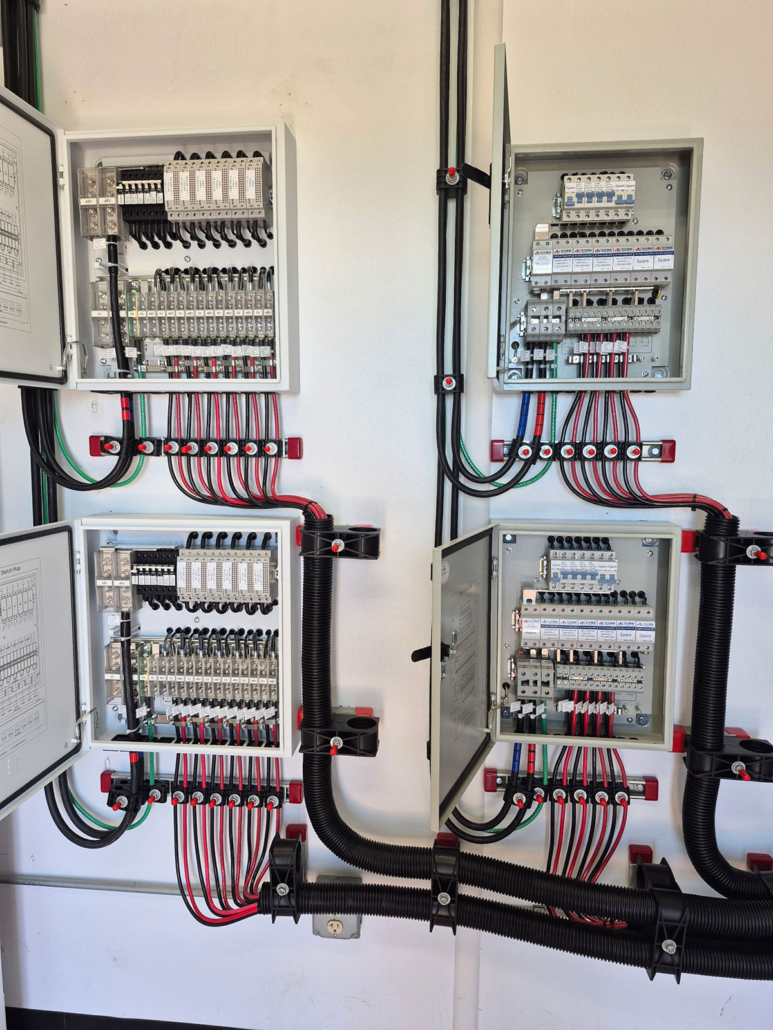
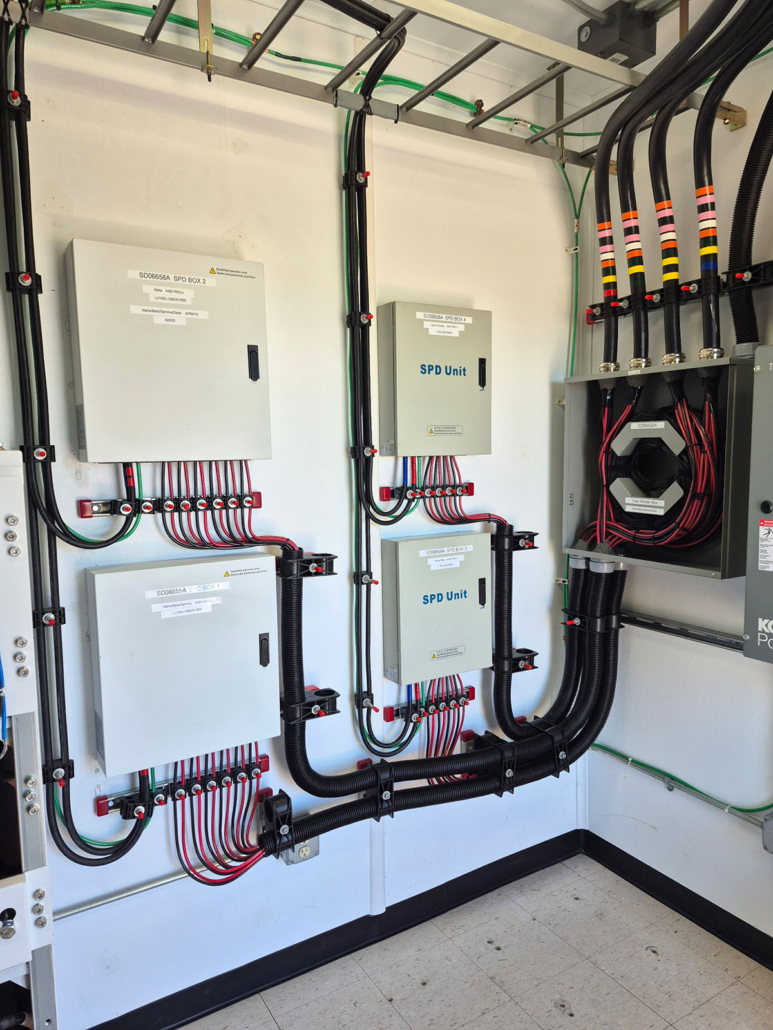
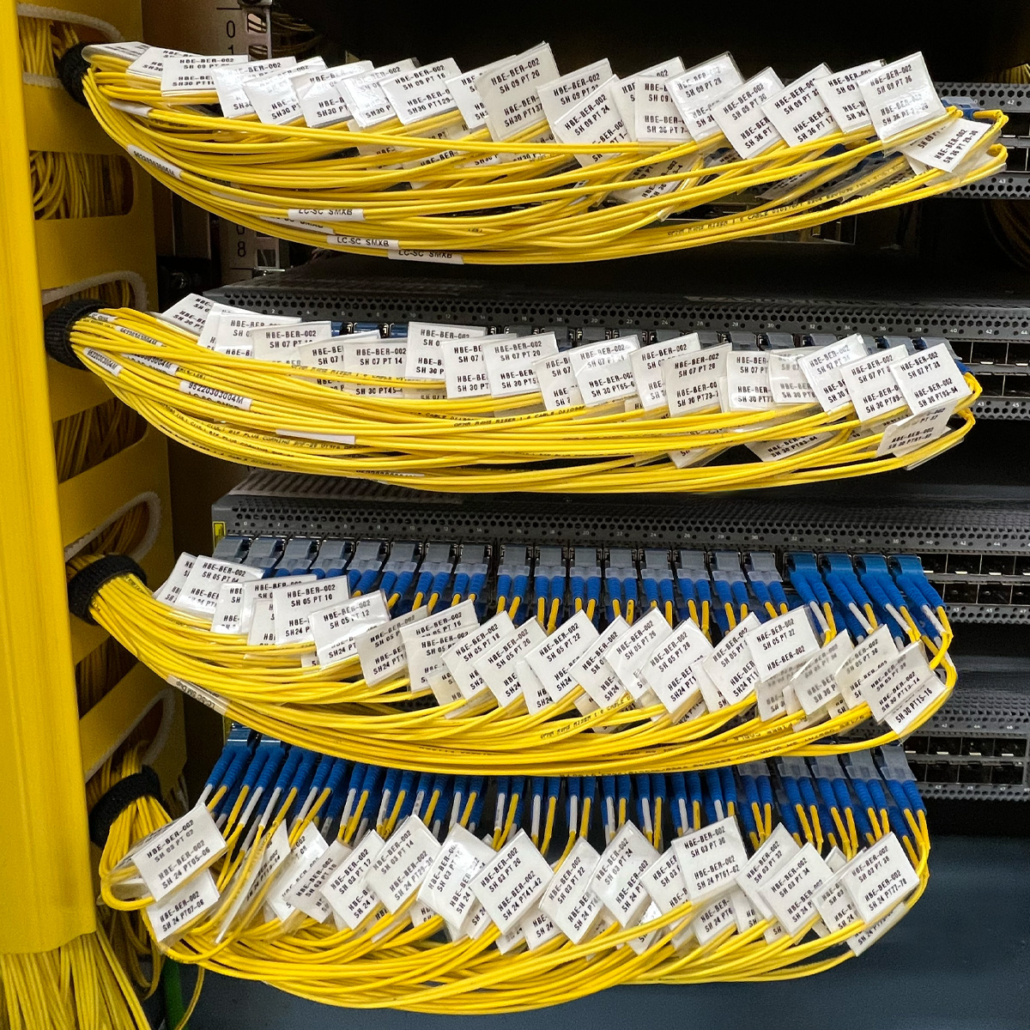
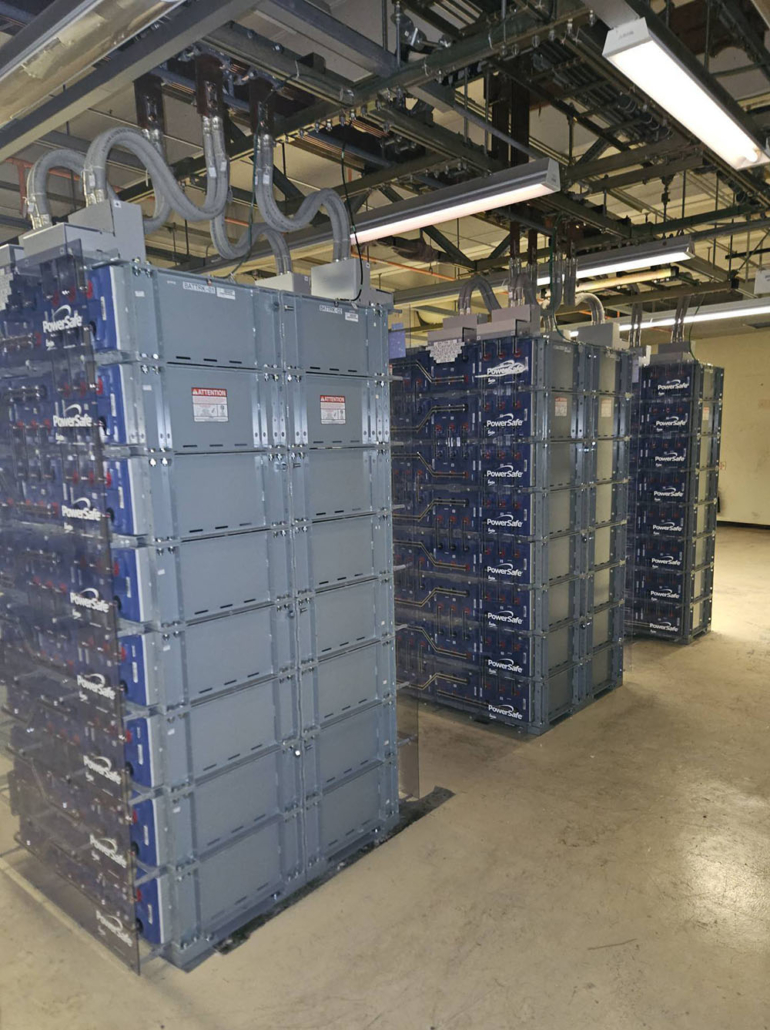
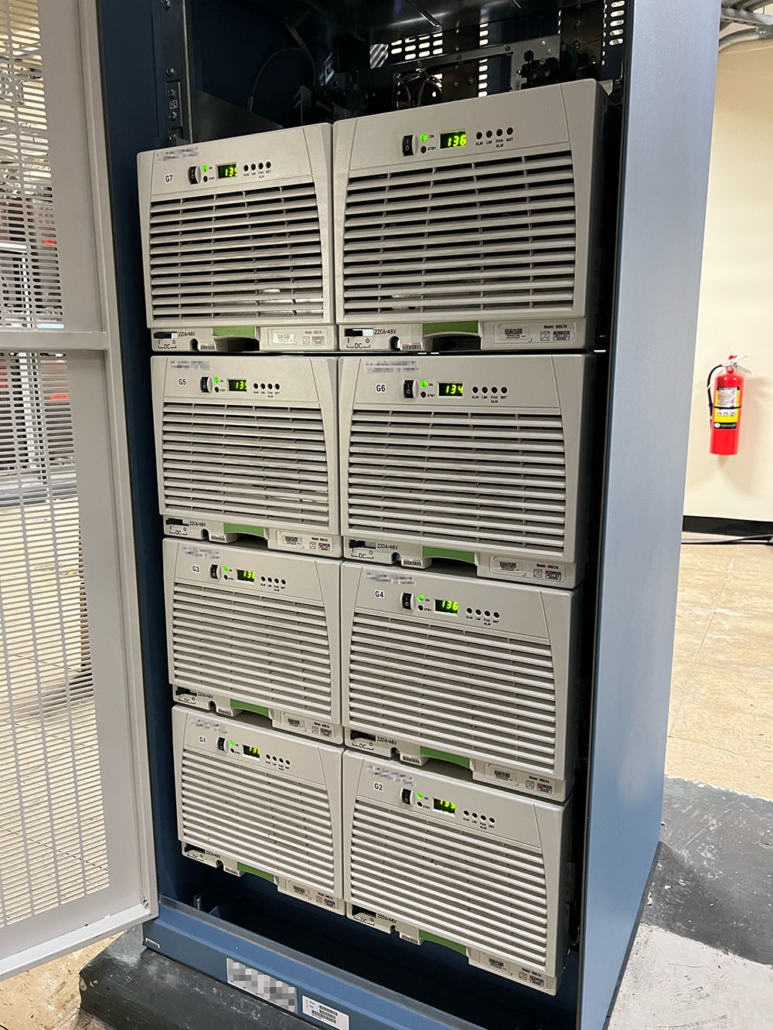
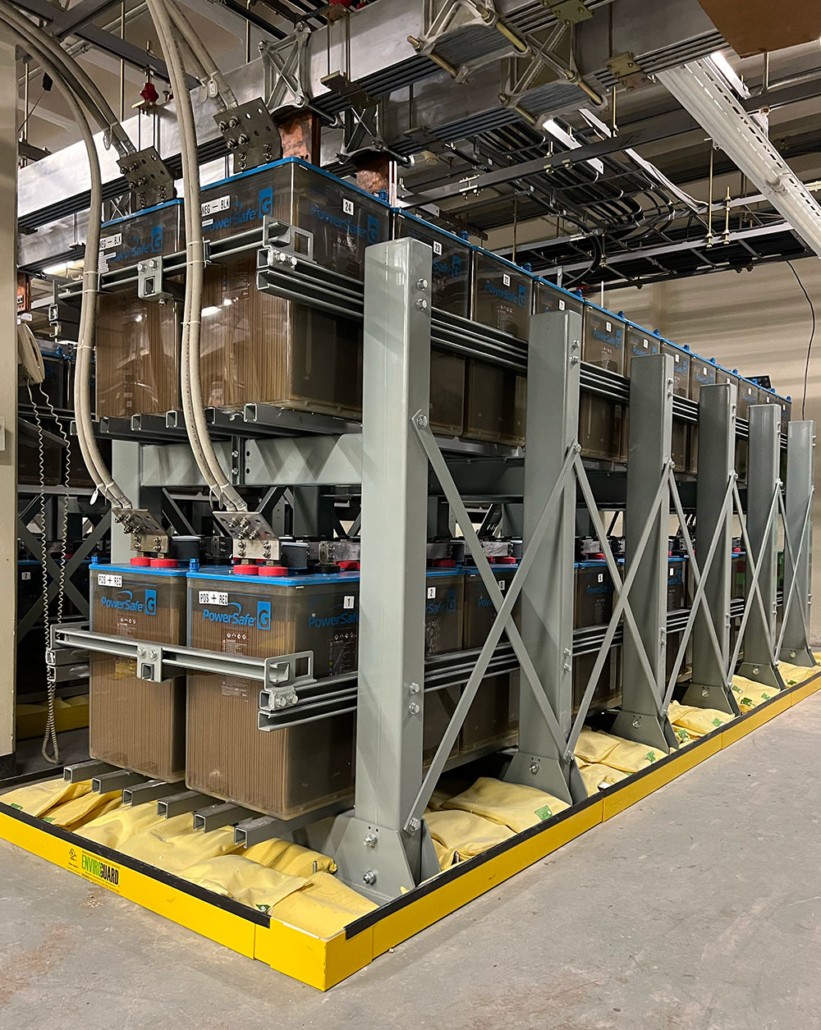
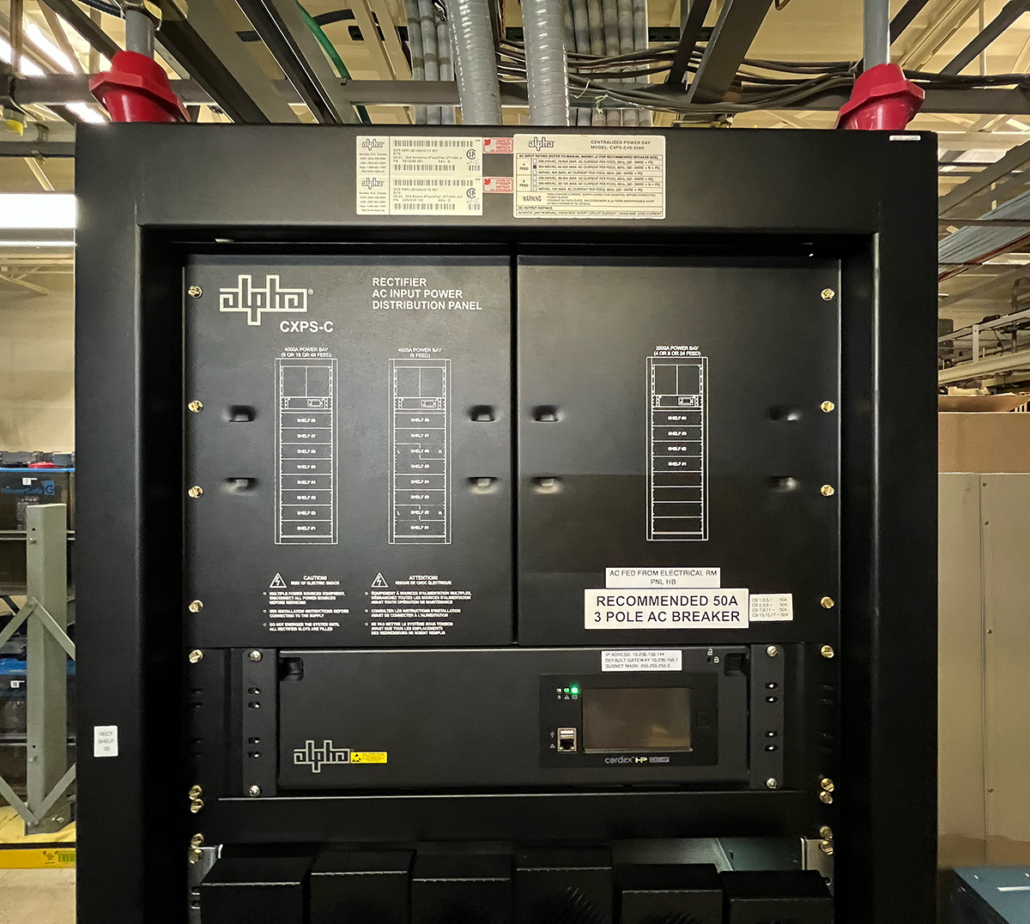
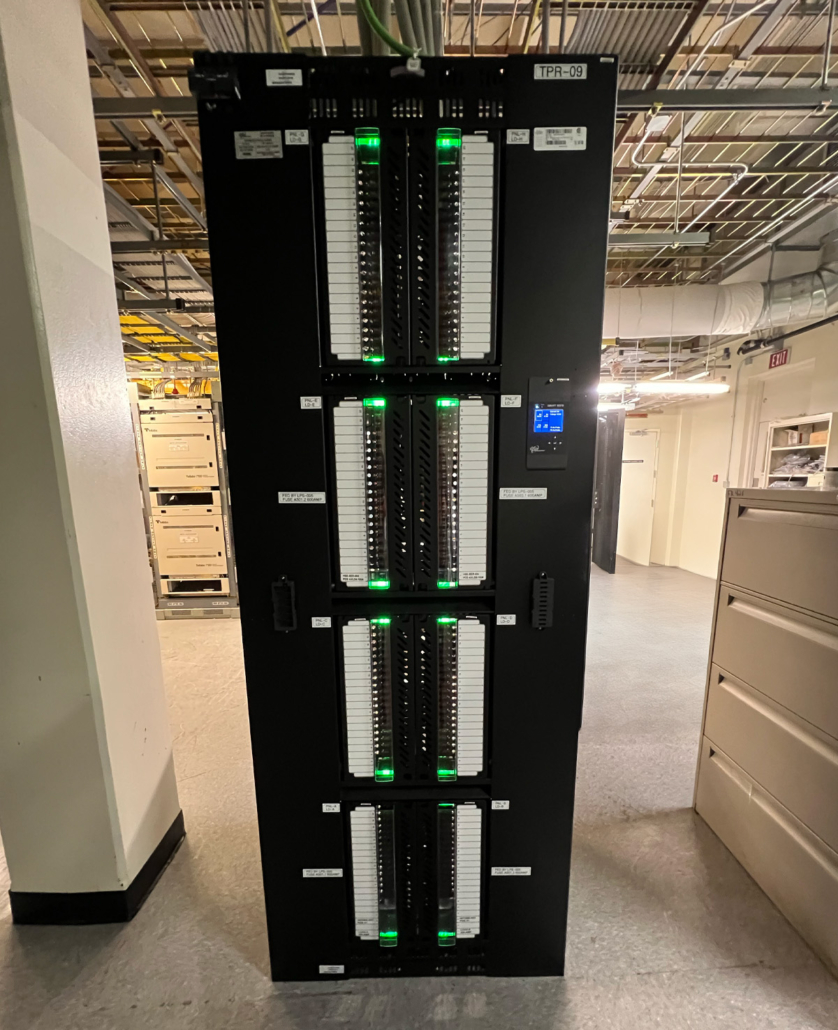
Alamon has spent decades working in critical environments where power, communications, and field execution come together. Our teams support DC power, battery systems, grounding, structured cabling, fiber, rack installation, equipment installation, and site deployment work across a range of communications and infrastructure settings.
That experience matters because edge data center deployment is not only about the data center. It is about the crew. It is about showing up safely, installing correctly, documenting the work, and doing it again at the next location.
Power is one of the most important constraints in edge deployment. As sites become more compute-dense, customers may need to evaluate utility availability, generator backup, DC power architectures, battery energy storage systems, solar, and emerging approaches such as 800VDC depending on the site, workload, and reliability requirements. Alamon’s experience with DC power, battery systems, backup power, grounding, and critical infrastructure deployment makes our team a practical field partner as customers evaluate the power strategies required for distributed infrastructure.
The data center industry is already facing pressure from labor shortages, specialized skill requirements, and aggressive buildout schedules. And the distributed nature of edge infrastructure work adds another layer to that challenge.
As the industry races to design enough capacity, it is becoming equally important to find partners that can deploy it safely, correctly, repeatedly, and on schedule.
That is where Alamon is well positioned: a nationwide, self-performing field partner with experience in the power, communications, and infrastructure environments that edge deployment will depend on.
The Field Work Behind Critical Infrastructure
Edge data centers may be part of a fast-moving technology conversation, but the infrastructure behind them still depends on disciplined field execution. The examples shown here reflect the kind of detailed installation work Alamon performs across critical power, communications, and infrastructure environments.
As edge deployments expand, attention to safety, workmanship, consistency, labeling, testing, documentation, and repeatability will be essential from site to site.
Planning Edge or Critical Infrastructure Deployment? Our team can help.

Pat Doyle
Director, Business Development
Alamon Energy Services
919.306.3147
patrick.doyle@alamon.com
 BUILDING THE FUTURE NOW
315 West Idaho Street, Kalispell, MT 59901 | 800.252.8838 | Terms & Conditions
BUILDING THE FUTURE NOW
315 West Idaho Street, Kalispell, MT 59901 | 800.252.8838 | Terms & Conditions