Polishing: It’s Not Just For Grandma’s Silverware.
Why Diesel Fuel Maintenance Matters for Standby Generator Reliability
If you’re responsible for keeping a communications network online, you already know one truth: uptime is everything. Whether it’s a cell tower, data hub, or emergency backup system, your generator isn’t just a piece of equipment—it’s your last line of defense.
So here’s a question worth asking: When was the last time you thought about the condition of the fuel inside your tank?
 Most operators assume that if the generator runs during testing, everything is fine. But diesel fuel doesn’t stay “fine” forever. Over time, it degrades. It absorbs moisture, grows microbial contamination, and forms sludge that settles at the bottom of your tank. The result? The very fuel you depend on in an outage can become the reason your system fails.
I’ve seen it firsthand. Sites that passed routine inspections but failed under real load when it mattered most. Filters clog. Injectors foul. Systems shut down. And suddenly, what should have been a seamless backup becomes a costly outage.
That’s where fuel polishing comes in.
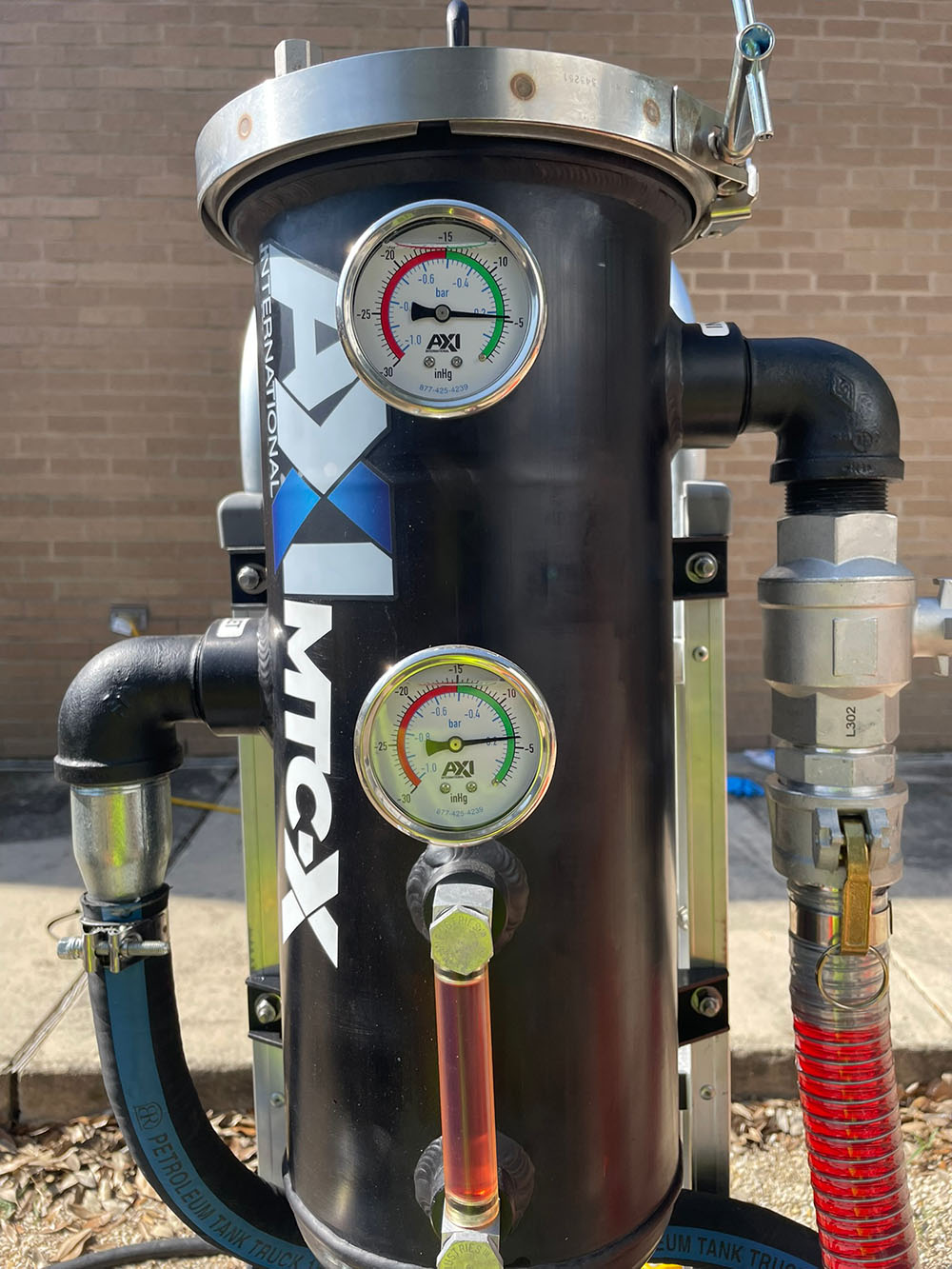
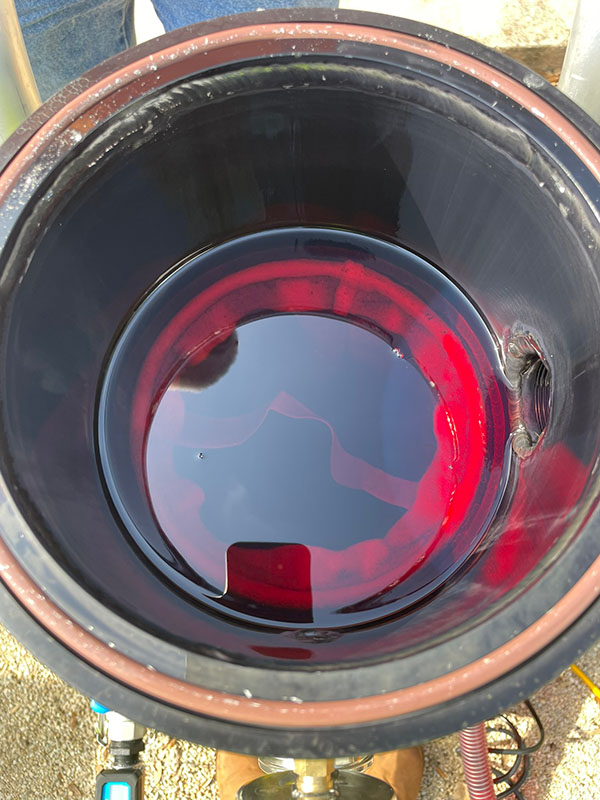
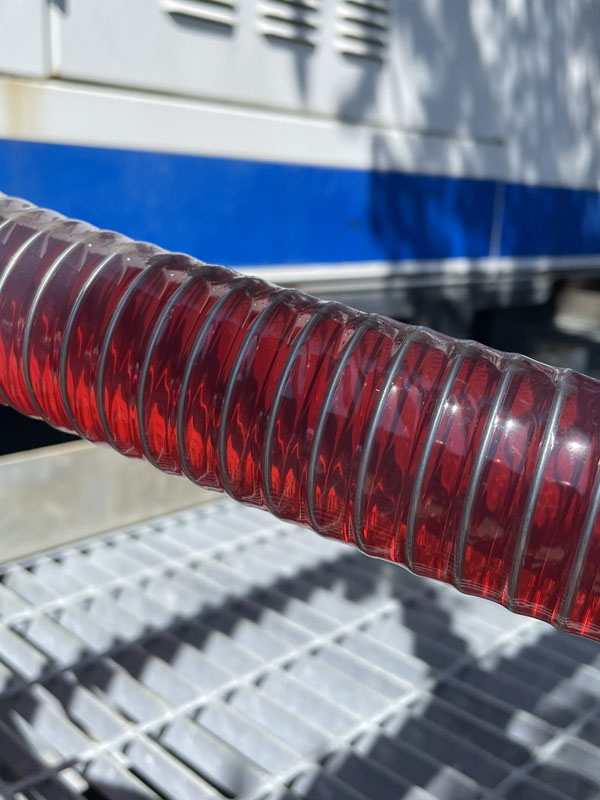
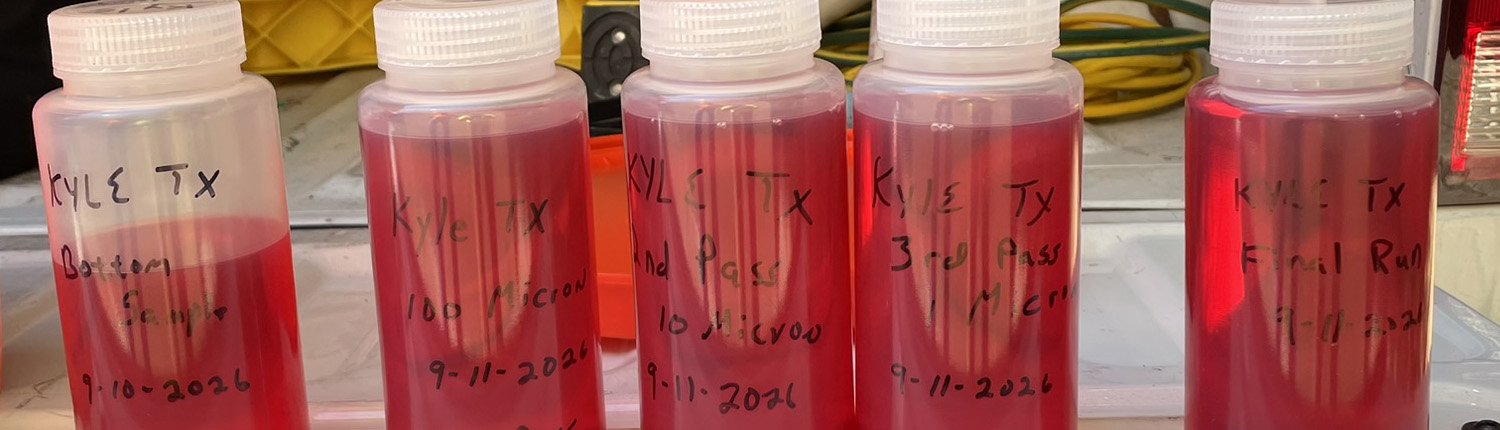
Alamon uses a dedicated fuel management system to circulate stored diesel through progressively finer stages of filtration.
Fuel polishing is more than just routine maintenance, it’s an important part of managing backup power risk. Fuel polishing is the process of cleaning your diesel fuel by removing water, particulates, and biological growth, restoring it to a clean, stable condition. For telecom and communications infrastructure, that means:
- Greater reliability during outages
- Longer equipment life
- Reduced emergency service calls
- Confidence that your backup power will actually perform when needed
What I tell customers is simple: you don’t wait for your network to fail before you invest in redundancy. So why wait for your fuel to fail before you maintain it?
In the communications world, milliseconds matter. Downtime isn’t just inconvenient, it’s expensive, reputationally damaging, and sometimes even critical to public safety. Clean fuel is one of the most overlooked pieces of that reliability puzzle.
If you’re managing multiple sites, aging tanks, or fuel that’s been sitting for months (or years), it’s worth taking a closer look. A quick assessment today can prevent a major failure tomorrow.
Because at the end of the day, your generator is only as reliable as the fuel you trust it with.
About the Author
 Brennan Duffy is a telecom and critical infrastructure veteran with more than 25 years of experience in engineering, network operations, switching, data, and infrastructure leadership. Having worked with major communications providers including Verizon and Frontier Communications, Brennan brings a field-tested perspective on uptime, reliability, and the operational risks that can surface when standby systems are overlooked.
brennan.duffy@alamon.com
540.353.9022